Domestic Wastewater Management System, Lamandau Regency
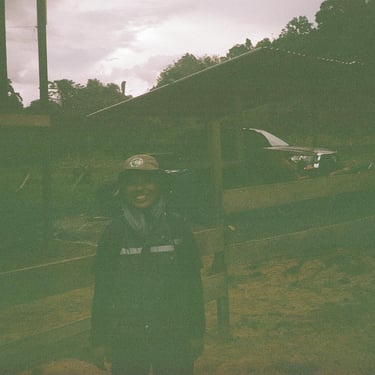
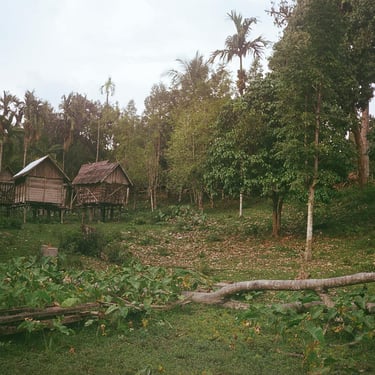
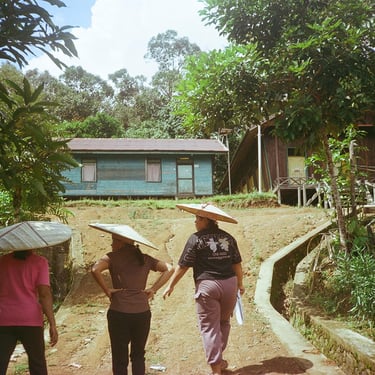
Recently, I had the opportunity to assist a senior water expert in designing wastewater management systems for several villages in Lamandau Regency. The work included field surveys, household data collection, hydraulic checks, and treatment plant capacity calculations. What made this project particularly interesting was that each village faced different sanitation challenges, and thus required different solutions.
Village Challenges in Lamandau Regency
Jemuat Village & Karang Mas Village
Kina Village & Petarikan Village
Households already have toilets and septic tanks, but many are not watertight, risking groundwater contamination.
Land availability is limited, and the topography is varied, making sewer alignment difficult.
Flood vulnerability is a concern in low-lying areas.
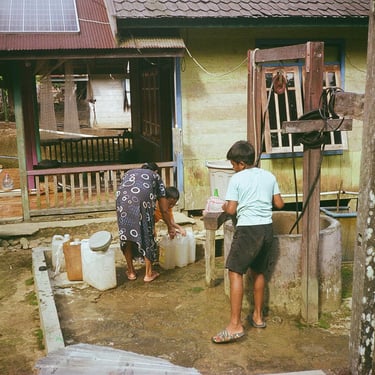
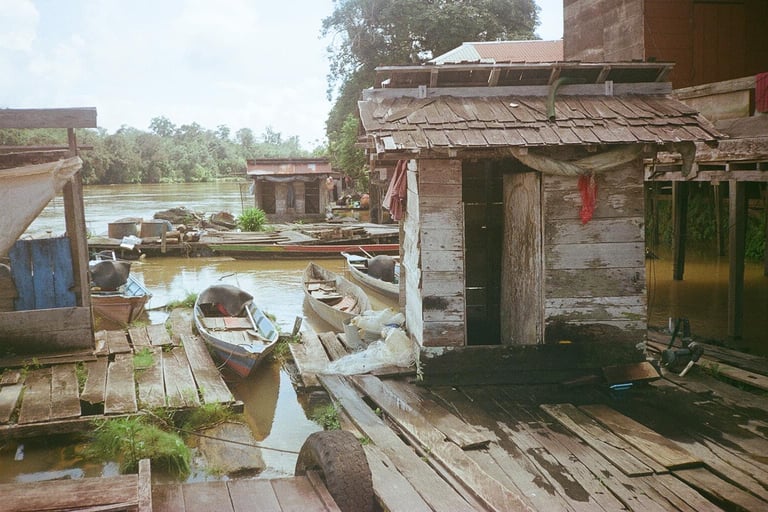
Many households do not own toilets or septic tanks.
People still use jamban di sungai (river latrines), which directly pollutes waterways.
The urgent need here is to provide basic sanitation facilities.
The Solutions


Compact WWTP (Communal) – Jemuat & Karang Mas
Technology: Fastpec biofilter system in prefabricated fiber tanks.
Benefits: small footprint, easy installation, flood-adaptable, and low maintenance
Capacity: Jemuat = 80 m³/day (≈116 households), Karang Mas = 48 m³/day (≈68 households).
On-site Domestic Wastewater Management System
Instead of a communal plant, the government provides household-scale sanitation packages.
Each package includes: A toilet cubicle, and a septic tank.
This ensures households can shift away from river latrines toward safe, hygienic sanitation.
The approach is more direct and household focused, perfect for villages without sufficient land.
In Jemuat & Karang Mas, I helped verify capacity sizing and sewer slopes for the compact WWTPs. In Kina & Petarikan, my role was more focused on surveying household conditions and ensuring that the design of the individual toilet + septic tank packages matched the community’s needs and land availability.
This project highlighted a key lesson: there is no “one size fits all” solution for sanitation.