Undergraduate Thesis: Applying BIM in WWTP Design with Revit
Application of Building Information Modeling (BIM) in the Design of a Wastewater Treatment Plant (WWTP) with Extended Aeration Capacity of 500 m³/day Using Revit
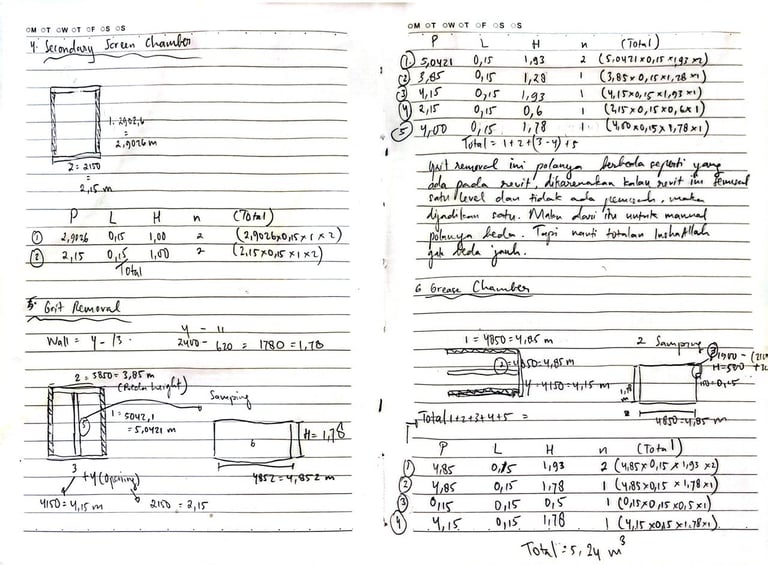
~ Behind the scene (old school)
This undergraduate thesis explores the use of Building Information Modeling (BIM) for designing a Wastewater Treatment Plant (WWTP) with an extended aeration process and a capacity of 500 m³/day. Conducted at Universitas Islam Indonesia, this project utilized Autodesk Revit 2024 to model the facility and evaluate its effectiveness compared to conventional design methods.
The study was motivated by challenges in Indonesia’s construction sector: low productivity, complex design coordination, and unstable project cost estimation particularly in the water infrastructure sector, where BIM adoption remains limited.
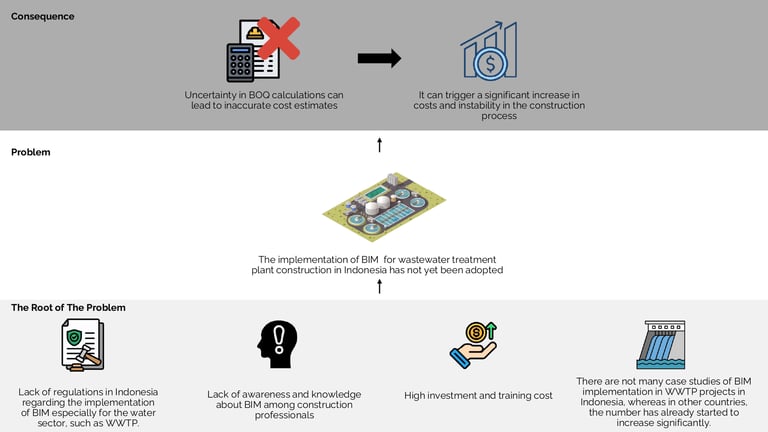
Objectives:
To design a WWTP model by applying BIM principles.
To analyze and compare the Bill of Quantities (BOQ) generated through conventional methods versus BIM-based workflows.
Methodology:
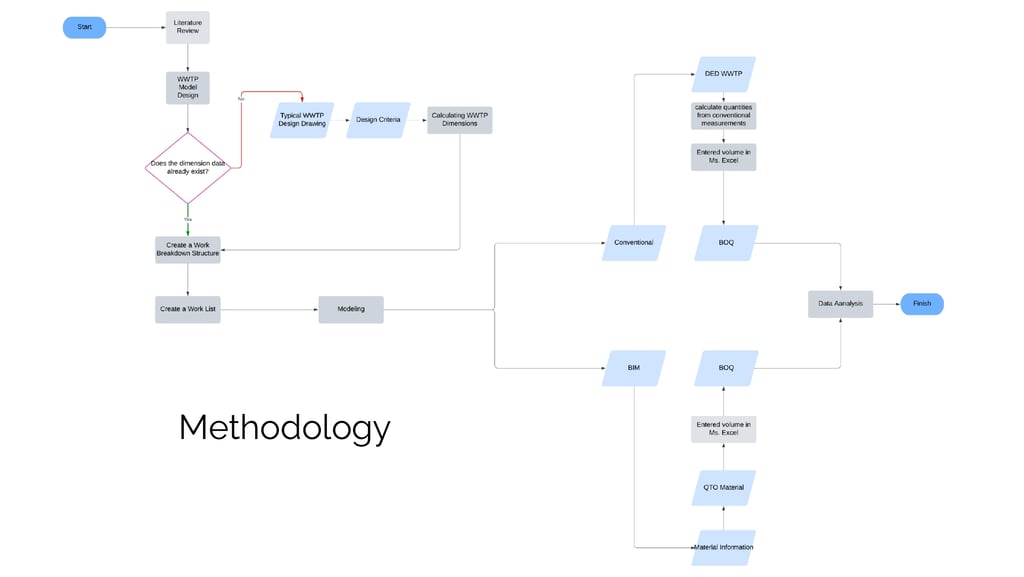
Design Basis: WWTP design followed Malaysian standards for type C plants (3,000 < PE ≤ 5,000).
3D Modeling: Revit was used to integrate architectural, structural, and MEP systems into a single BIM model.
Quantity Takeoff: BOQ was calculated manually (conventional) and automatically (BIM-based) for comparison.
Key Findings:
BIM allowed efficient grouping of architectural, structural, and MEP data in one digital model.
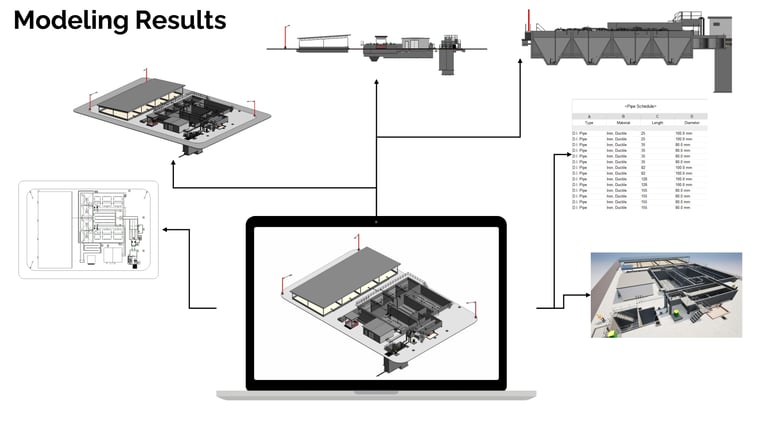
BOQ showed only minor differences: 6.5 m³ in structural volume and 8.4 m in pipe length, mainly due to assumption variations
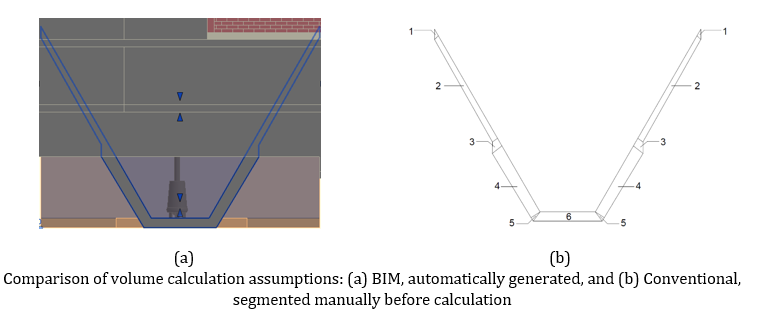
BIM reduced material waste, improved visualization, and supported lean construction practices
Conclusions:
This thesis demonstrates that BIM is a valuable tool for WWTP design, offering better visualization, more accurate quantity estimation, and higher efficiency compared to conventional methods. The results highlight BIM’s potential to enhance project coordination, reduce waste, and support sustainable infrastructure development in Indonesia.
Recommendations:
Integrate BIM education into engineering curricula.
Perform clash detection before automated QTO in Revit to improve accuracy.
Conduct further studies on BIM’s effect on overall project costs and scheduling.
Explore interoperability with other BIM platforms to expand collaboration
Notes: Cannot give the undergraduate thesis, because I would use that for a paper